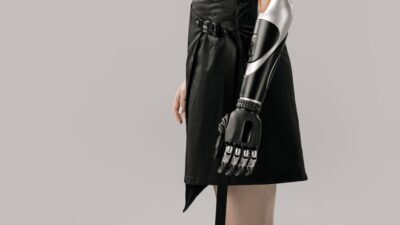
How AI is Influencing Fashion Design in 2026
Fashion, at its core, has always been about creativity and expression. Yet, as we find ourselves midway through the 2020s, technology is reshaping how we perceive and create fashion. AI is not just a buzzword in the fashion capitals of the world—Paris, Milan, New York, and Tokyo—it’s a transformative force driving innovation and inclusivity in the industry.
AI: The Designer’s New Best Friend
Imagine a designer in London looking to draw inspiration from the vibrant streets of Marrakech or the minimalist architecture of Tokyo. With AI, this is no longer just a dream. Tools powered by artificial intelligence can analyze countless images, patterns, and styles, offering designers a rich tapestry of inspiration from across the globe. These sophisticated algorithms do not merely replicate existing styles; they help generate new ideas, pushing the boundaries of creativity.
In 2025, the fashion house Maison AI launched a collection entirely designed by AI, which then went on to win multiple awards at international fashion weeks. The AI analyzed over a century of fashion trends, blending them into something entirely new yet oddly familiar. This collaboration between human ingenuity and machine learning is just the tip of the iceberg.
Sustainability Gets a High-Tech Makeover
As climate change continues to be a pressing global issue, the fashion industry is under immense pressure to adopt more sustainable practices. AI is at the forefront of this shift. Through predictive analytics, fashion brands can now forecast demand with remarkable accuracy, reducing overproduction and minimizing waste.
Take the example of the Swedish company ThreadTech. In 2024, they implemented an AI-driven production model that cut their fabric waste by 40%. By analyzing customer buying patterns and predicting future trends, they ensured that only the necessary amount of materials were used. This not only benefitted the environment but also significantly reduced their operational costs.
Personalization and the AI Revolution
Gone are the days of generic, one-size-fits-all fashion. In 2026, consumers demand personalization, and AI is delivering just that. By harnessing data from social media, purchase history, and even personal style quizzes, fashion brands can now offer bespoke recommendations tailored to individual tastes.
One standout example is the AI personal stylist app, “StyleMe,” which has taken the industry by storm. Users input their preferences and body measurements, and the app curates an entire wardrobe, suggesting outfits for every occasion. With over 10 million active users worldwide, “StyleMe” is redefining how people shop for clothes.
Expanding Creativity with AI-Generated Art
AI isn’t just about data and numbers; it’s also making waves in the realm of art and design. In fashion, this means generating unique patterns and prints that might never have been conceived by the human mind. By training on millions of images, AI can create art that is fresh, dynamic, and utterly original.
Consider the success of “ArtistryAI,” a platform where designers collaborate with AI to produce one-of-a-kind prints. In the past year alone, over 1,000 designers have integrated AI-generated art into their collections, showcasing pieces on runways from Sao Paulo to Seoul. The results are as diverse as they are captivating.
Navigating Challenges and Ethical Considerations
While AI opens endless possibilities, it also brings challenges and ethical questions to the table. Concerns about data privacy, job displacement, and the homogenization of style are prevalent. As fashion brands increasingly rely on AI, they must navigate these issues with care.
Notably, in 2025, the “AI Ethics in Fashion” summit in Berlin brought together designers, technologists, and ethicists to discuss these topics. The consensus was clear: transparency, inclusivity, and respect for privacy must be pillars of AI integration in fashion.
Embracing the Future of Fashion with AI
AI’s role in fashion design is multifaceted, bringing together elements of creativity, sustainability, and personalization in ways previously unimaginable. For designers and brands, the key is to embrace these technologies as tools to augment human creativity and address critical issues like sustainability and inclusivity.
Whether you’re an aspiring designer or a dedicated fashion enthusiast, the practical takeaway is this: stay curious and open to the possibilities that AI offers. By doing so, we can collectively shape a more innovative and sustainable future for fashion.