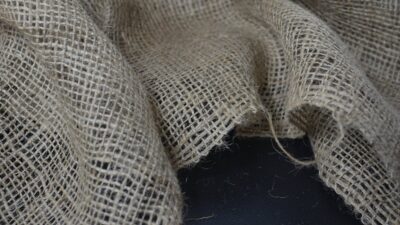
The Eco-Friendly Fabric Revolution
In 2026, fashion isn’t just about looking good—it’s about doing good too. Eco-friendly materials are no longer a niche market but a dominant force in the industry. From Tencel and organic cotton to innovative recycled fibers, designers are championing the cause for sustainable fashion. For instance, Stella McCartney has made headlines by integrating regenerative wool in her latest collection, showcasing that luxury and sustainability can indeed coexist.
These fabrics are not only reducing environmental impact but also offering unparalleled comfort and style. The tactile sensation of Tencel, derived from sustainably sourced wood pulp, is akin to silk, making it a favorite for summer wear. Meanwhile, bamboo fibers are gaining traction for their breathability and antibacterial properties, perfect for activewear lines.
The Power of Upcycling: Giving New Life to Old Pieces
Upcycling has become the fashion forward way to reduce waste while creating unique, one-of-a-kind pieces. Brands like Patagonia and Levi’s have pioneered programs where customers can return old garments which are then transformed into fresh, trendy pieces. This approach not only cuts down on waste but also tells a story, weaving the old with the new.
Additionally, influencers and fashionistas are embracing DIY upcycling projects, sharing tutorials on platforms like TikTok and Instagram. From turning an old pair of jeans into a chic denim jacket, to repurposing vintage scarves into headbands or belts, the possibilities are endless. It’s a creative challenge that resonates with the growing audience of eco-conscious consumers.
Local Sourcing and Its Stylish Impact
As globalization faces scrutiny, the spotlight is on local artisans and producers. Supporting local isn’t just a buzzword; it’s a movement transforming the landscape of fashion. Designers are increasingly sourcing materials locally, which not only reduces carbon footprints but also enriches local economies. Take, for example, Cape Town-based brand, Maxhosa, which celebrates local heritage with its vibrant knitwear designs.
This trend is fueling a resurgence of region-specific motifs and methods, breathing life into traditional techniques like handloom weaving in India or indigenous beadwork in South America. By wearing locally-sourced fashion, consumers are becoming ambassadors for cultural preservation.
Secondhand Shopping: The Luxe Thrift Experience
Secondhand shopping has shed its stigma and is now a fashionable endeavor. The rise of luxury thrift stores and online marketplaces like Vestiaire Collective and The RealReal has made it easier than ever to score high-end, pre-loved pieces. It’s not just about saving money; it’s about finding timeless pieces with character and history.
Gen Z and Millennials, in particular, are leading the charge, often sharing their thrifty finds on social media and fueling a cultural shift towards mindful consumption. Thrifting is no longer a last resort—it’s a first choice for those seeking sustainable style.
The Role of Technology in Sustainable Fashion
Technology is a powerful ally in the quest for sustainable style. From AI-driven design processes that minimize waste to blockchain technology that ensures transparency and ethical sourcing, the tech revolution is reshaping fashion. Brands like Everlane are leveraging blockchain to provide consumers with insights into the lifecycle of their products—an initiative that fosters trust and accountability.
Moreover, virtual fitting rooms are reducing the volume of returns, a significant source of waste in e-commerce. By offering accurate fit predictions, these technologies help consumers make informed choices, further aligning fashion with sustainability goals.
Practical Takeaway: Embrace Sustainable Fashion
Incorporating sustainable practices into your wardrobe doesn’t have to be daunting. Start small by choosing brands that prioritize eco-friendly materials or committing to buying secondhand. Explore local designers who reflect your values and support their craft. Remember, every piece you choose is a vote for the kind of world you want to live in.
As sustainable fashion continues to define style in 2026, it’s time to align our choices with our values, ensuring that our fashion footprint is as chic as it is conscious.