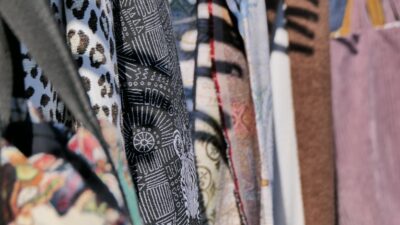
The Renaissance of Local Fashion
As we step into 2026, the world of fashion has seen a remarkable shift. The runways are no longer dominated by only the big names from Paris, Milan, or New York. Instead, we’re witnessing a renaissance of local fashion brands, each bringing a unique flavor to the global tapestry of style. This shift is not just a trend; it’s a movement driven by cultural appreciation, sustainability, and community support. Local brands are infusing fresh energy into the industry, rooting designs in their heritage while embracing modern aesthetics.
Championing Sustainability
One of the most compelling reasons to support local fashion brands is their commitment to sustainability. Many local designers prioritize eco-friendly practices, often using locally-sourced materials and ethical production processes. Take, for instance, Sydney’s Susan Smith, whose brand has gained acclaim for its zero-waste policy and exquisite garments made from recycled materials. Supporting these brands not only aids in reducing the carbon footprint but also encourages other companies to adopt sustainable practices.
Enriching the Community Fabric
Local fashion brands play a crucial role in enriching their communities. By supporting these brands, consumers help create jobs, stimulate local economies, and promote cultural diversity. In 2026, cities like Vancouver and Cape Town have seen vibrant fashion scenes emerge, thanks to grassroots initiatives that have empowered local artisans and designers. Investing in these brands is an investment in the community, fostering a sense of pride and ownership among residents.
Unique Expression and Personalization
In an era where personalization is paramount, local fashion brands offer something that mass-produced items can’t: uniqueness. These brands often offer custom-made pieces or limited collections that allow for personal expression. A perfect example lies in Tokyo, where designer Kenji Mori offers bespoke kimonos that blend traditional techniques with contemporary flair. Wearing local fashion becomes a statement not just of style but of individuality.
Cultural Heritage and Storytelling
Fashion is not merely about clothes; it’s a form of storytelling. Local brands are masters in weaving their cultural heritage into their designs, offering narratives that resonate with consumers on a deeper level. In Marrakech, the brand Berber Threads stitches the rich history of Moroccan textiles into every piece, sharing stories of ancient craft with a modern audience. Such brands help preserve cultural identities and pass them on to future generations.
Practical Takeaway: Shop Smart, Shop Local
The importance of supporting local fashion brands in 2026 goes beyond mere trends. It is a conscious choice that impacts sustainability, community development, and cultural preservation. Next time you’re on the lookout for a wardrobe update, consider exploring local boutiques or online platforms that champion local designers. Not only will you find unique and high-quality pieces, but you’ll also contribute to a more sustainable and culturally rich future.